
Exploring Big Cypress National Preserve by Off-Road Vehicle: A Different Way to See the Backcountry
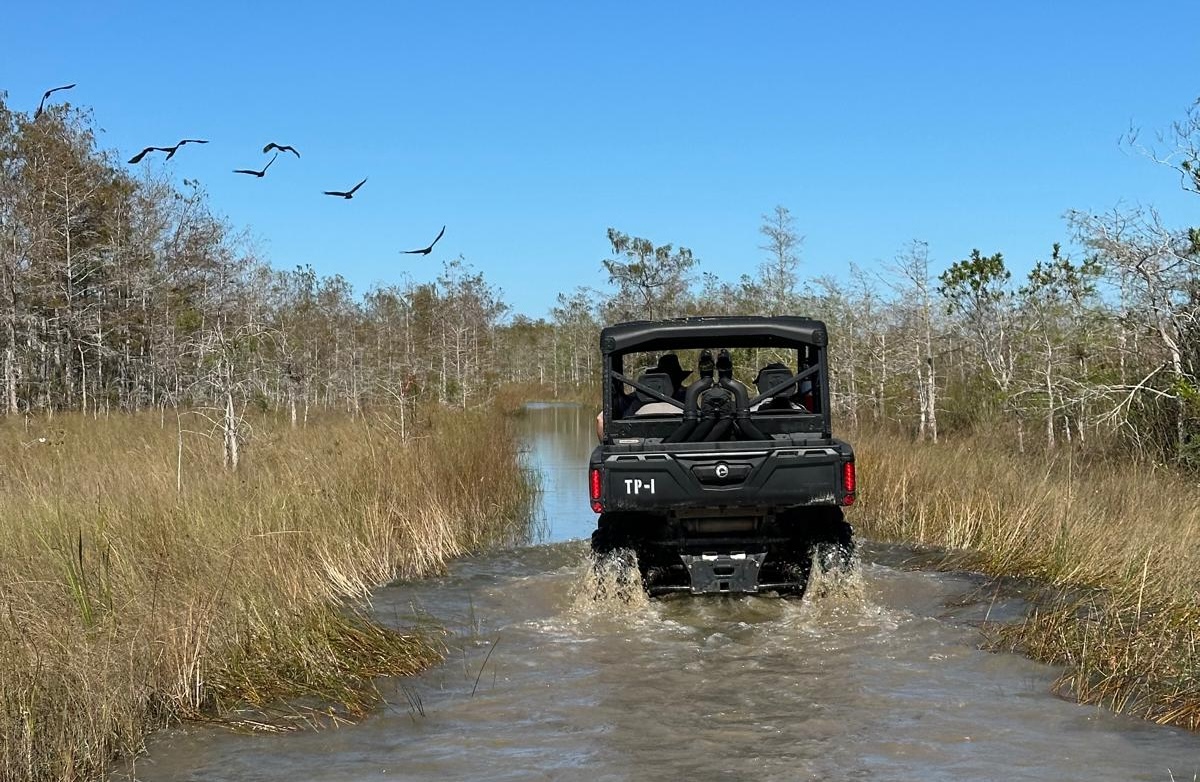
When people picture a national park, they usually picture footpaths, not trails built for swamp buggies and off-road vehicles. Big Cypress National Preserve is different. It is one of the few units in the entire National Park System where visitors can legally explore on an off-road vehicle, which provides access to a side of the national preserve that most people never see.
Why Big Cypress Allows Off-Road Vehicles (ORVs)
Big Cypress is not a national park. It is a national preserve, and that distinction matters. Within the National Park System, a "national preserve" designation is used for areas where certain activities not typically allowed in national parks, such as hunting, fishing, and off-road vehicle use, can continue because of their historical or cultural significance to the land. Hunting, fishing, and UTV activities are managed to balance recreational opportunities with current conservation goals. These activities are managed in concert with conservation goals.
Big Cypress was established in1974, making it one of the first units in the National Park System designated a national preserve rather than a park.For generations before the preserve existed, hunters, trappers, and theSeminole and Miccosukee people traveled these wetlands by whatever means the terrain allowed. Swamp buggies became the modern extension of that tradition, and today off-road vehicle access remains one of the clearest examples of how a preserve is managed differently from a park, allowing people to continue using the land much as they always have while its ecosystems are still protected.
The Trail System
Big Cypress maintains a network of more than 400 miles of designated ORV trails across three primary trail systems: Bear Island, Turner River, and Loop Road. Each has its own character. Bear Island winds through pine flat woods and cypress strands in the northern part of the preserve. Turner River is prized for wildlife viewing, especially alligators and wading birds along the canal. Loop Road offers a slower, scenic route that also works well for those exploring by car.
Backcountry access requires a permit, and every ORV must be registered with theNational Park Service before it can legally enter the trail system. Rules around vehicle type, trail closures, and seasonal restrictions exist to keep both visitors and the preserve's fragile ecosystem safe.
Timing Matters
The dry season, roughly November through April, is the best window for ORV exploration. Water levels drop, trails firm up, and wildlife concentrates around the remaining slough sand ponds, making sightings more frequent. During the wet season, many trails close entirely to protect the saturated ground from damage, a reminder that access here is a privilege tied directly to the health of the land.
Exploration With a Purpose
What makes Big Cypress worth exploring by ORV is not just the novelty of the experience. It is what visitors encounter along the way: dwarf cypress domes, orchids growing wild, panther crossings, and some of the last undeveloped wetlands in South Florida. Every mile of trail sits inside a larger system that filters water flowing toward the Everglades and supports species found nowhere else.
That is where The Alliance for Florida's National Parks comes in. Off-road access to Big Cypress only works long term if the preserve's habitat, trails, and ranger programs are supported and maintained. Through education programs, conservation initiatives, and public engagement activities that supplement ongoing Big Cypress programs, The Alliance helps ensure that the preserve stays healthy enough for this kind of exploration to continue for generations to come.
If you plan to visit Big Cypress by ORV, check current trail conditions and permit requirements with the National Park Service
https://www.nps.gov/bicy/planyourvisit/orv-use.html before you go, stay on designated trails, and treat the preserve as the rare and fragile place that it is.


%20(1).jpg)