.avif)
Biscayne National Park
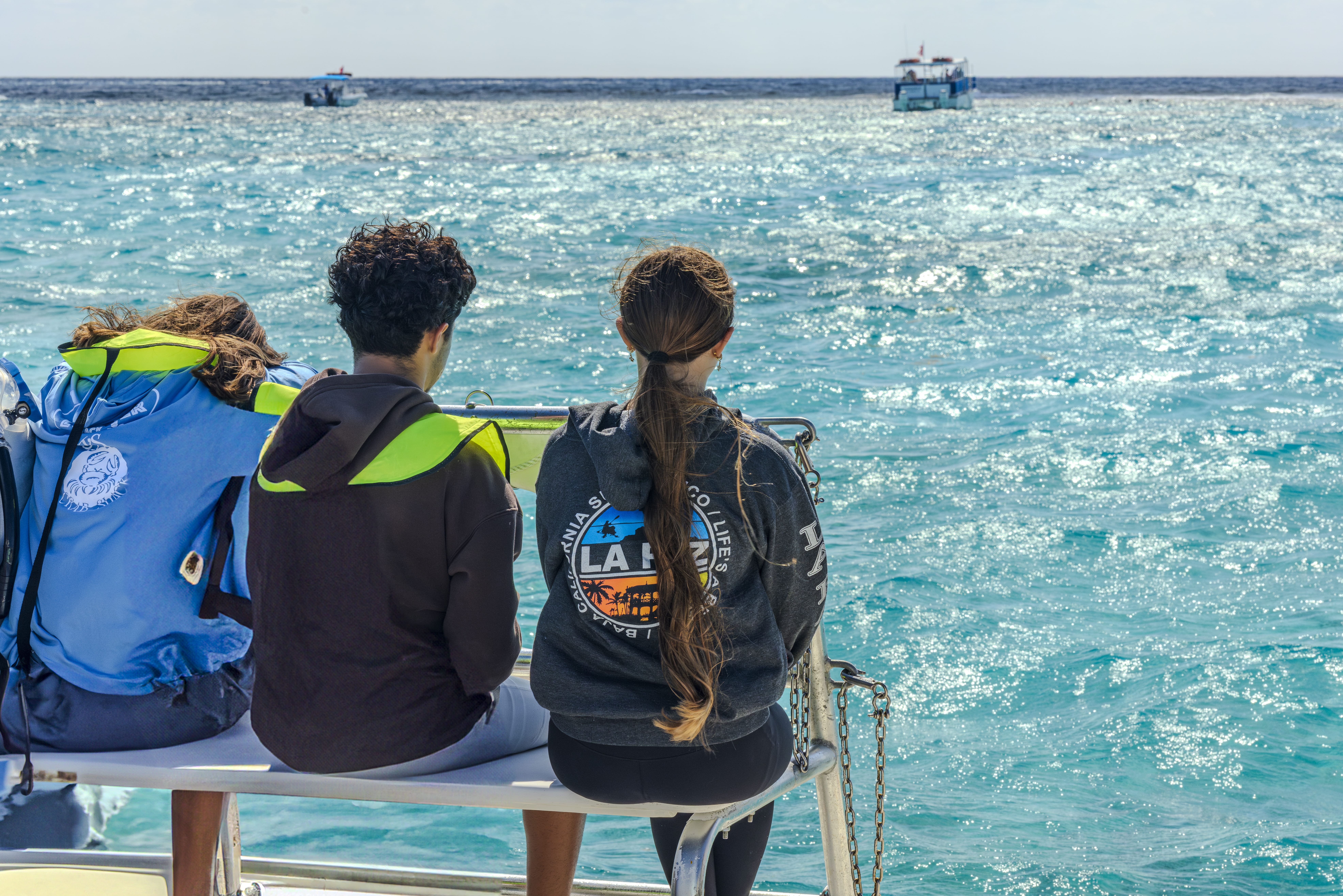
Established as a national monument in 1968 and enlarged into a national park in 1980, Biscayne protects 173,000 acres of mangrove shoreline, open bay, undeveloped keys, and living coral reef just south of Miami. Nearly all of the park is water, making it one of the most accessible marine wilderness areas in the National Park System, and a rare place where a major metropolitan area borders a nearly pristine bay.
Quick Facts
A Closer Look
Spanish explorer Ponce de León sailed across Biscayne Bay in 1513 searching for the Fountain of Youth, and for centuries afterward the bay sustained American Indians, Bahamian tree-cutters, key lime and pineapple farmers, and Key West fishermen who made their living harvesting its once-abundant sponges. The keys later drew fortune hunters, bootleggers, artists, and even four United States presidents. As Miami-Dade County grew into a metropolis of more than two million people, Biscayne Bay remained remarkably unspoiled, though early in the twentieth century pollution and construction runoff did damage its northern waters. Protected first as a national monument in 1968 and expanded to a national park in 1980, Biscayne today shows what decades of cleanup and protection can accomplish.
Getting There & Visitor Centers
Dante Fascell Visitor Center: 9700 SW 328th Street, Homestead, FL (Convoy Point) — 305-230-7275
Convoy Point is the only part of the park reachable by car; everything beyond it, the bay, the keys, and the reef, is accessible only by boat.
Things To Do
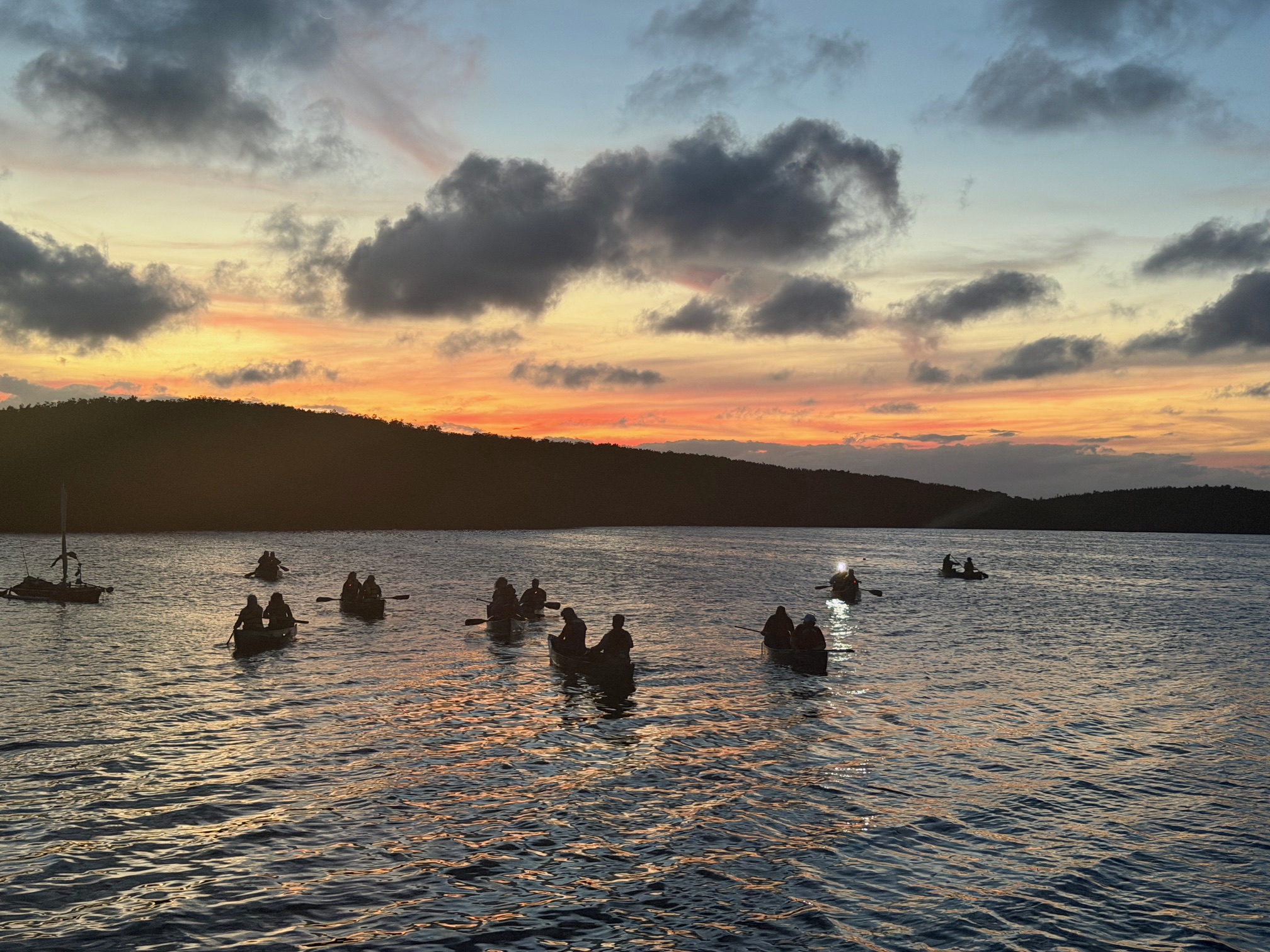
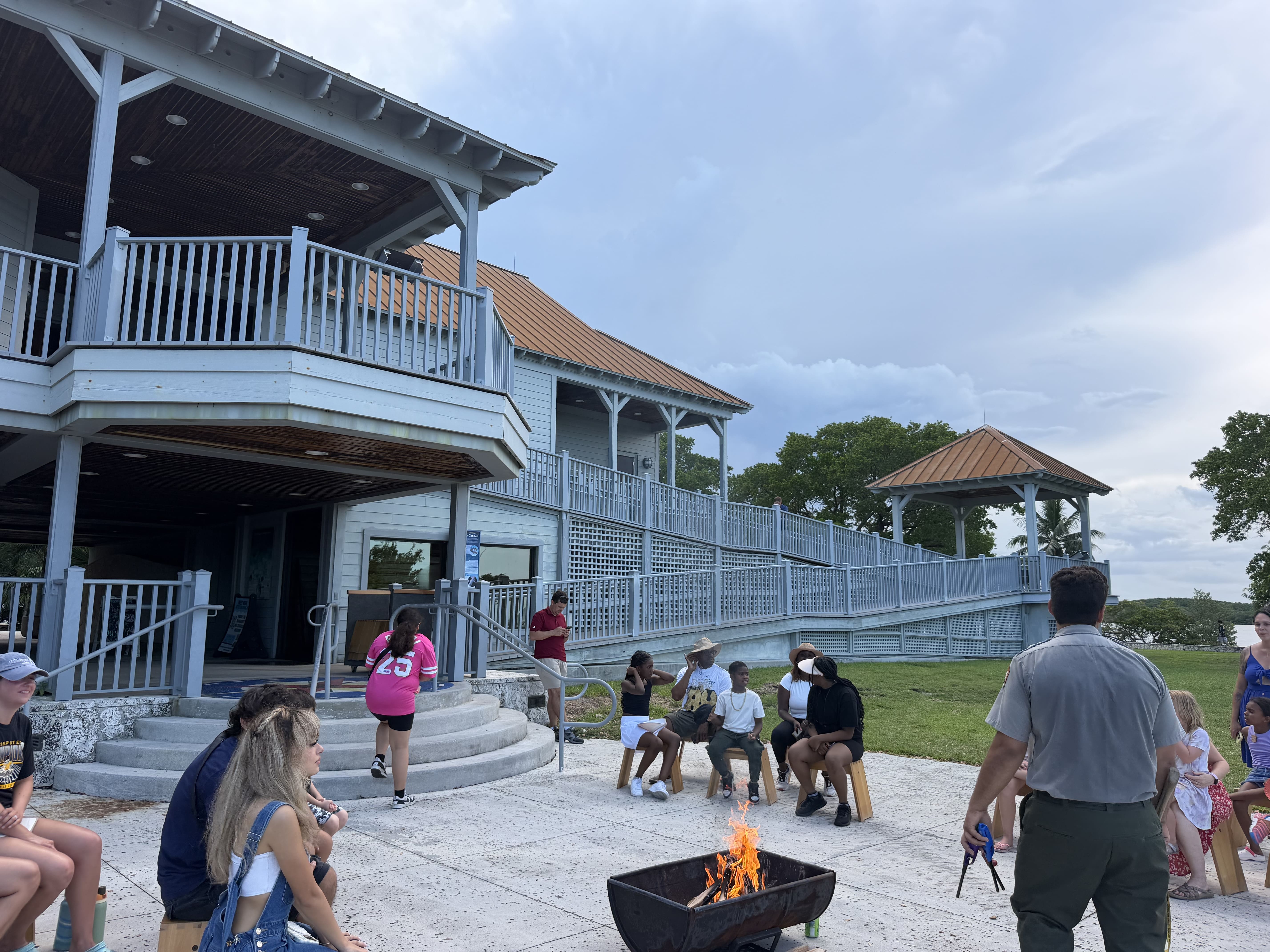
• Ranger-led swamp walks,canoe tours, talks, and amphitheater programs, offered December through April
• Bicycling at Bear Islandand canoeing the Turner River year-round
• Birding, wildflowerviewing, hunting, and off-road vehicle exploration on designated trails
• A 20-minute orientationfilm and Junior Ranger Program at both visitor centers
Plan Your Visit
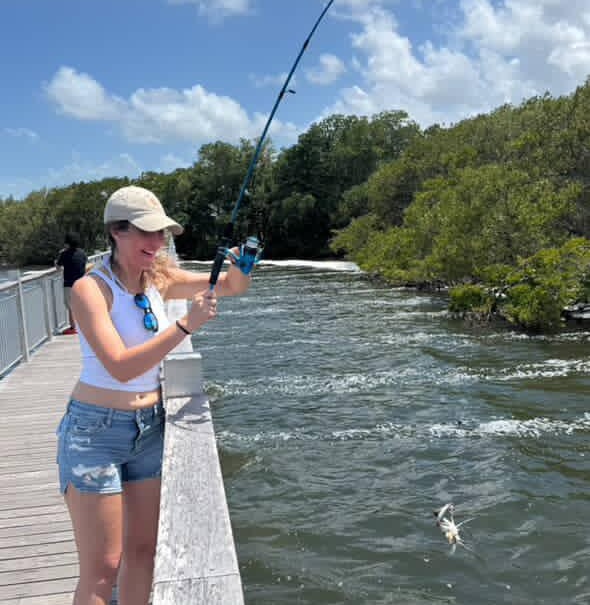
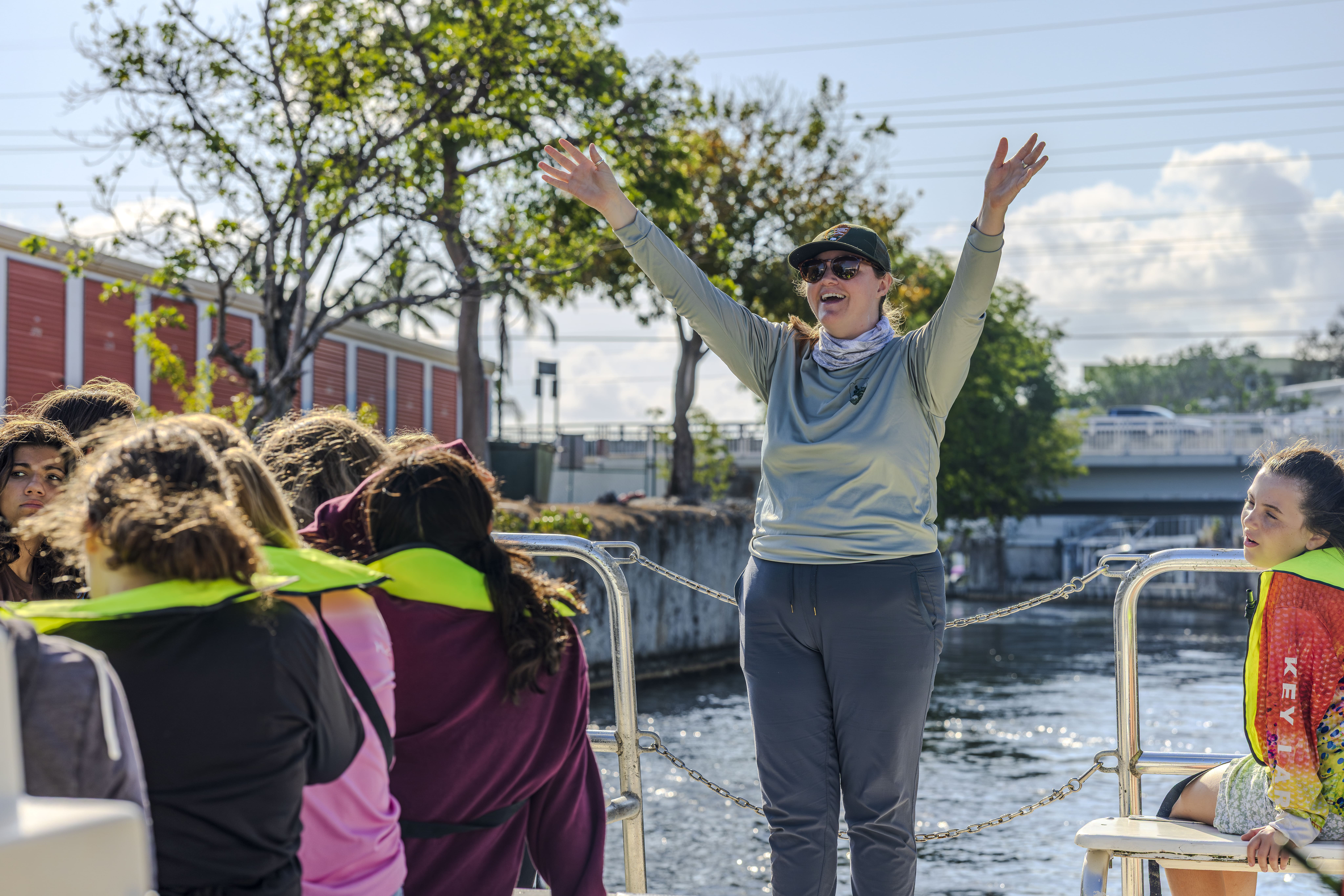
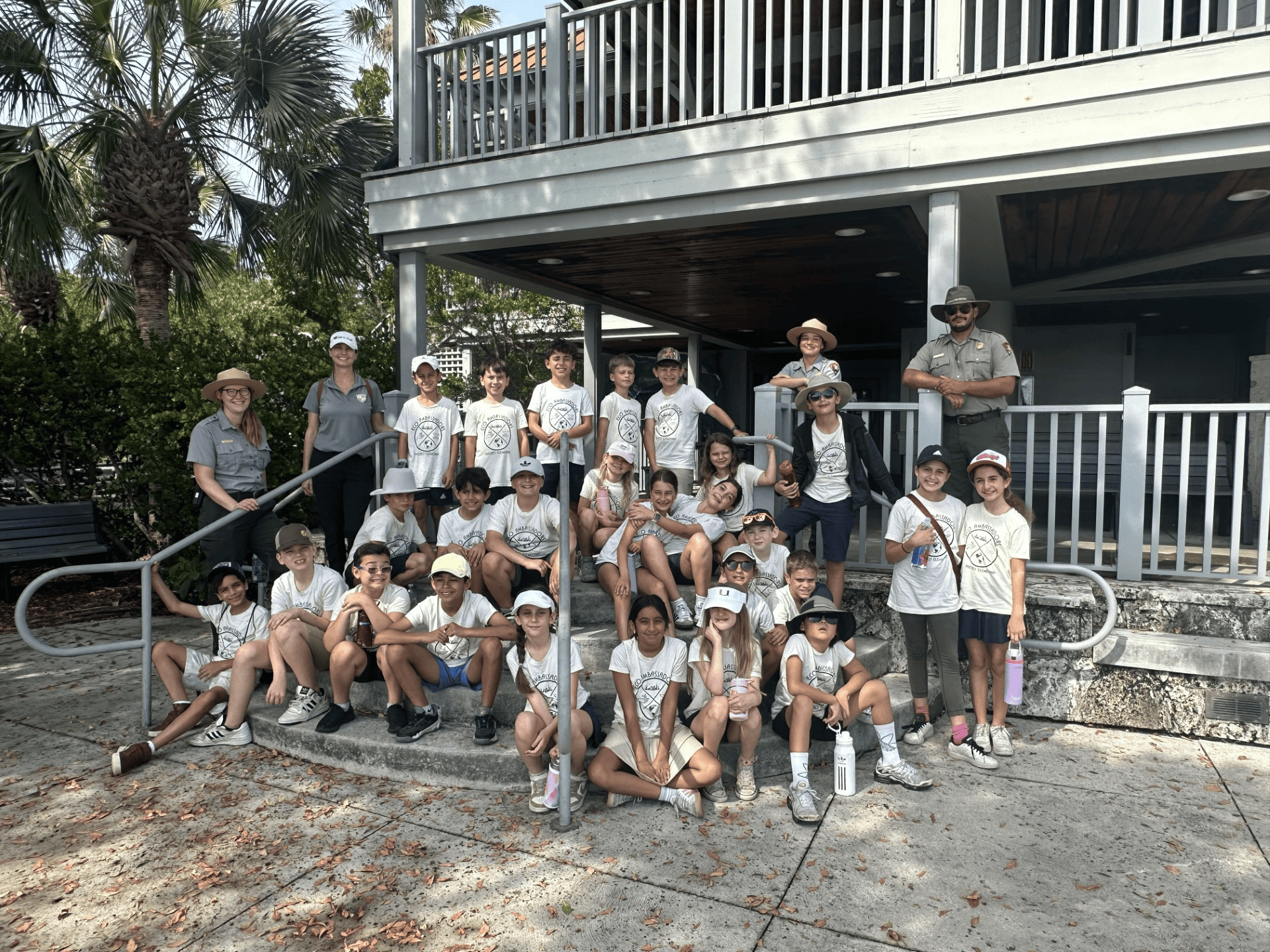
Biscayne National Park offers four distinct education programs for students in 4th through 12th grade, bringing the park to the classroom and the classroom to the park. Through ranger visits to schools and immersive field trips to destinations like Adams Key, students test water samples, explore by boat, and experience overnight camping excursions, including a two-night camping trip to Elliott Key for high school students. Each summer, hundreds of local youth from organizations including the YMCA, Boys & Girls Club, and Miami-Dade Libraries take part in hands-on field days. For many, it is the first time they've set foot in a national park just miles from home.
Programs The Alliance Supports Here
- Education
- Beach Cleanups
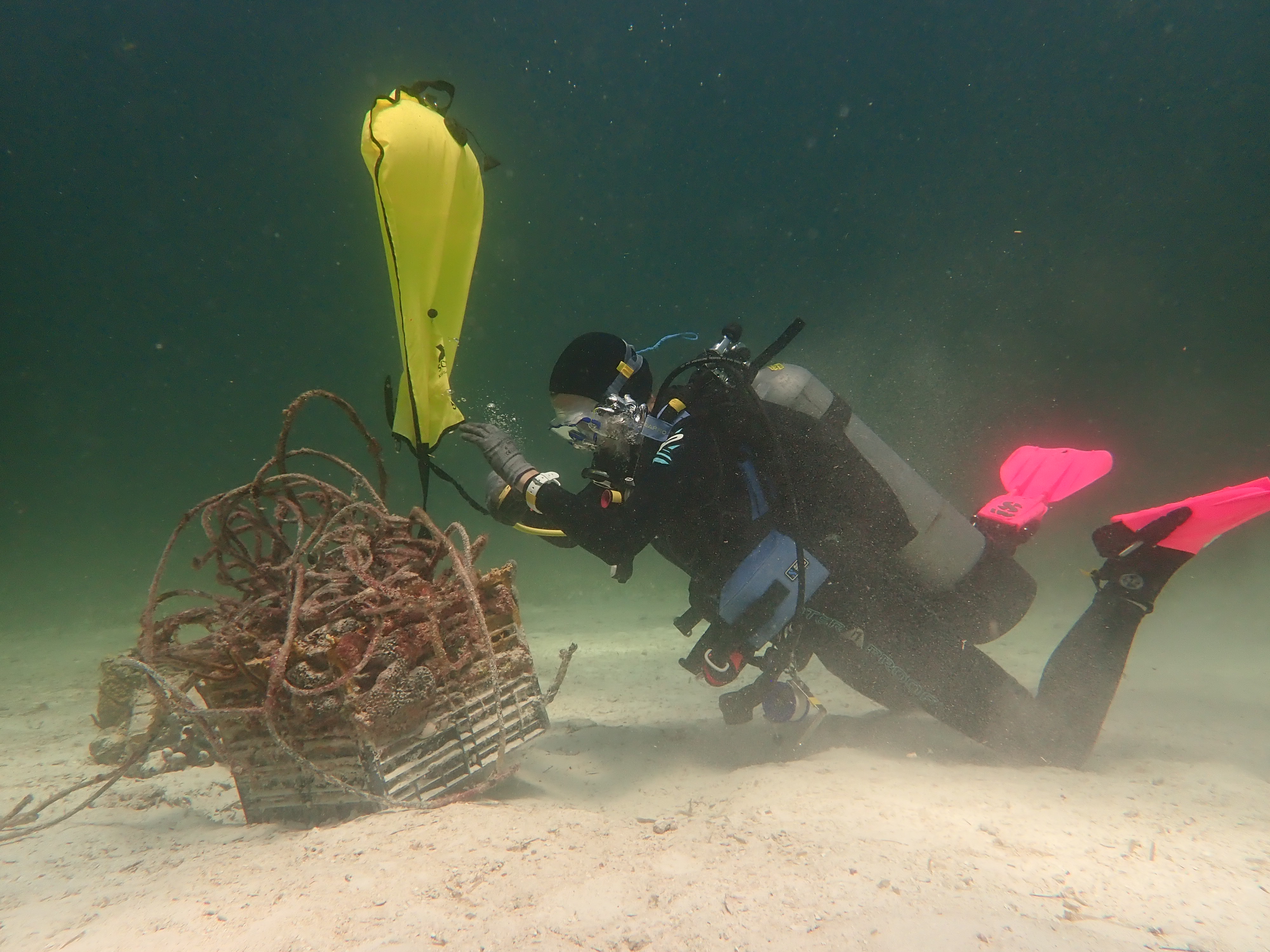
- Marine Debris Removal
- Mooring Buoys
- Park After Dark
Why Your Support Matters
Education programs at Everglades National Park receive no federal funding and depend entirely on private philanthropy. The Alliance for Florida's National Parks uses the power of philanthropy to support education, exploration, and conservation in Everglades, Biscayne, and Dry Tortugas National Parks and Big Cypress National Preserve. Your gift keeps these programs, research, and conservation work possible.
%20(1).avif)
%20(1).avif)
%20(1).avif)
%20(1).avif)
%20(1).avif)